

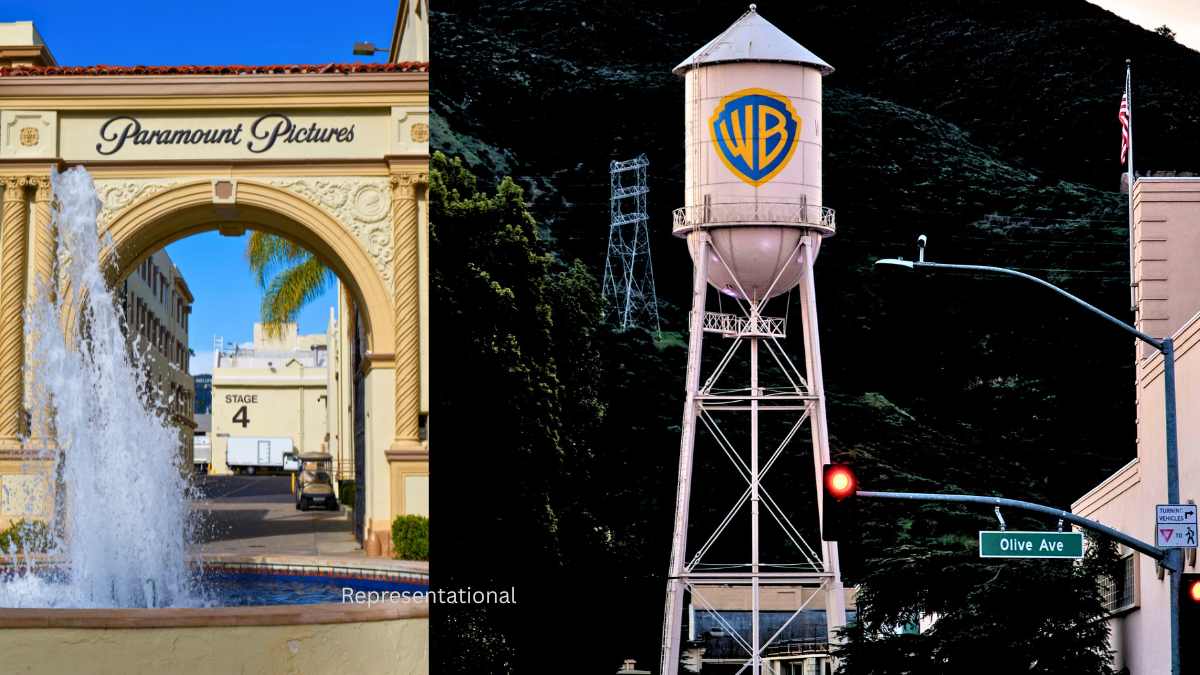
In a milestone decision rewriting the landscape of global media, the U.S. Department of Justice’s Antitrust Division has officially closed its investigation and cleared Paramount Skydance Corp.’s $110 billion acquisition of Warner Bros. Discovery Inc..
The decision follows an exhaustive eight-month antitrust probe during which federal investigators reviewed over two million documents and evaluated the impact of the transaction on streaming, traditional television, and theatrical film industries.
Ultimately, the Justice Department concluded that the merger is “not likely to result in harm to competition or American consumers”. Instead, federal regulators stated that the combination will likely “increase competition across the media and entertainment ecosystem, with benefits for American consumers and workers”.
The blockbuster deal creates a massive entertainment conglomerate. The acquisition brings prominent Warner Bros. Discovery assets, including HBO, CNN, TBS, TNT, and DC Studios, under the same umbrella as Paramount’s legacy properties like Paramount Pictures, CBS, Showtime and Nickelodeon.
According to the Justice Department’s findings, the combined forces of Paramount and Warner Bros. will form a more robust alternative to dominant streaming platforms like Netflix.
Regulators also dismissed concerns regarding linear television and film distribution, pointing out that theatrical production has expanded since the deal was first announced and that competition remains robust due to independent studios like A24 and tech-heavy newcomers like Apple.
The deal has not advanced without significant controversy. Paramount Skydance is led by CEO David Ellison, son of billionaire Oracle co-founder Larry Ellison, a prominent financial backer of President Donald Trump. The transaction has faced scrutiny regarding political influence and potential corporate consolidation, drawing a sharp public rebuke from Democratic Senator Elizabeth Warren, who labelled the approval “terrible news for every American”.
Within Hollywood, more than 5,000 actors, directors, and filmmakers previously signed an open letter opposing the merger. Creative professionals have voiced widespread anxiety that further consolidation will result in thousands of industry-wide job losses, fewer opportunities for creators, and reduced storytelling diversity.
While clearing the federal hurdle is a monumental win for Paramount, the transaction faces remaining obstacles before it can close, which executives hope will happen as soon as the end of July.
A coalition of states, including California and New York, are actively preparing independent antitrust lawsuits to block the merger. California Attorney General Rob Bonta confirmed on social media that the deal remains under strict investigation by his office.
The deal is under a phase one merger inquiry by the UK’s Competition and Markets Authority (CMA). Additionally, the European Commission is conducting its own review, with a key assessment deadline set for July. European regulators are also scrutinizing billions in transaction funding sourced from Middle Eastern sovereign wealth funds, including Saudi Arabia’s Public Investment Fund.
Paramount has already secured regulatory clearances in Australia and New Zealand, and Warner Bros. Discovery shareholders voted overwhelmingly to approve the deal in April.
