

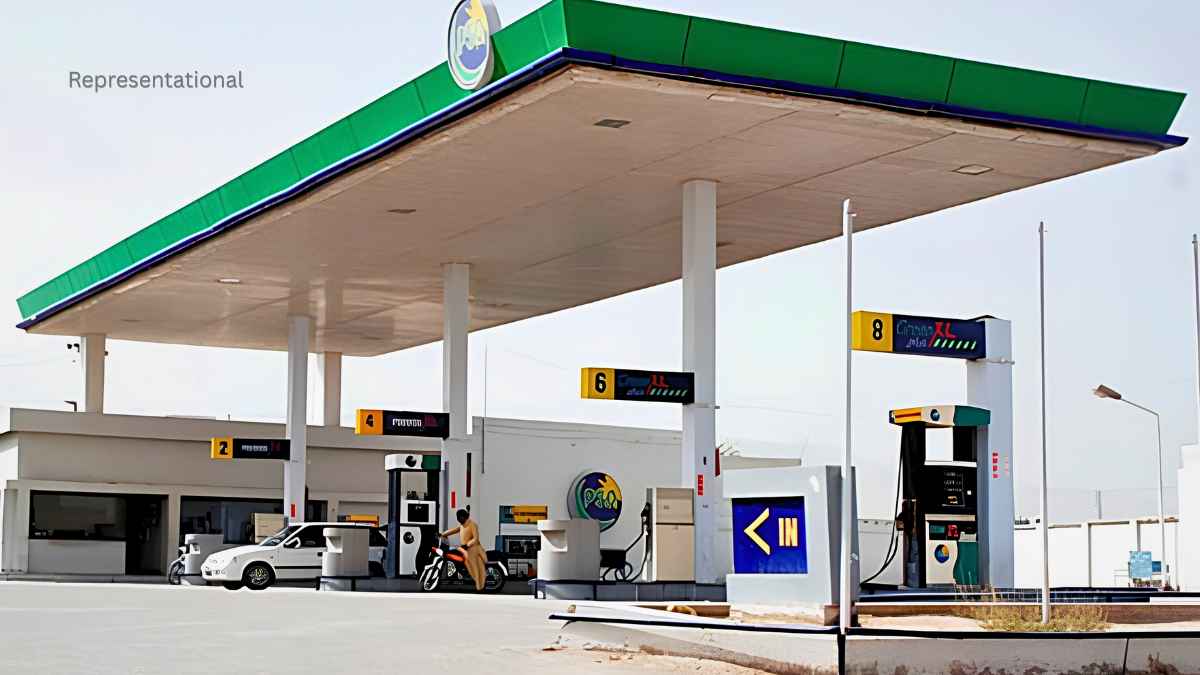
Rising global oil prices and worsening supply disruptions linked to escalating conflict in the Middle East are triggering fuel shortages, price spikes and growing public unrest around the world, with Pakistan among the countries now weighing drastic measures to curb consumption.
Global oil prices have surged in recent days, driven largely by a wave of disruptions in the Middle East, including drone strikes that forced Saudi Arabia to shut down its East-West oil pipeline, as well as Houthi forces tightening control over the Red Sea’s Bab el-Mandeb Strait, a key global shipping chokepoint. Combined with ongoing tension around the Strait of Hormuz, these disruptions have pushed prices sharply higher and rattled fuel supplies across multiple economies.
In Pakistan, the government has raised petrol and diesel prices twice in quick succession this month, with petrol now priced at Rs 384.34 per litre and high-speed diesel at Rs 415.83 per litre following a Tuesday night hike. In response, Pakistan Prime Minister Shehbaz Sharif has chaired meetings reviewing a range of options aimed at curbing fuel use, including a so-called petroleum smart lockdown that could see government and private offices move to a four-day working week, with Friday, Saturday and Sunday observed as holidays to cut the number of vehicles on the road.
While senior officials, including Pakistan’s Federal Minister for Climate Change Musadik Malik and Information Minister Atta Tarar, have publicly denied that a formal lockdown decision has been made, both have confirmed the idea remains under active discussion as one of several measures being considered.
The proposal has already drawn pushback from traders’ groups, who have threatened street protests if the plan goes ahead, while the right-wing Jamaat-i-Islami party has separately warned of nationwide demonstrations if fuel prices are not brought down. Islamabad has also moved to speed up its existing fuel subsidy scheme, directing payments to fuel stations be processed within 24 hours, and plans to extend the pilot programme, currently running in Islamabad, to other provinces.
The Pakistan government introduced a daily fuel pricing mechanism back in July, replacing an earlier weekly system, in an effort to respond more quickly to volatile global oil markets.
Pakistan has previously relied on similar demand-side measures, including smart lockdowns imposed during the Covid-19 pandemic and earlier energy conservation drives that enforced early closing times for markets and wedding halls, though officials say the current proposal is more directly targeted at cutting fuel consumption through changes to working patterns and official transport use.
