
Germany to phase out Chinese drones from military training
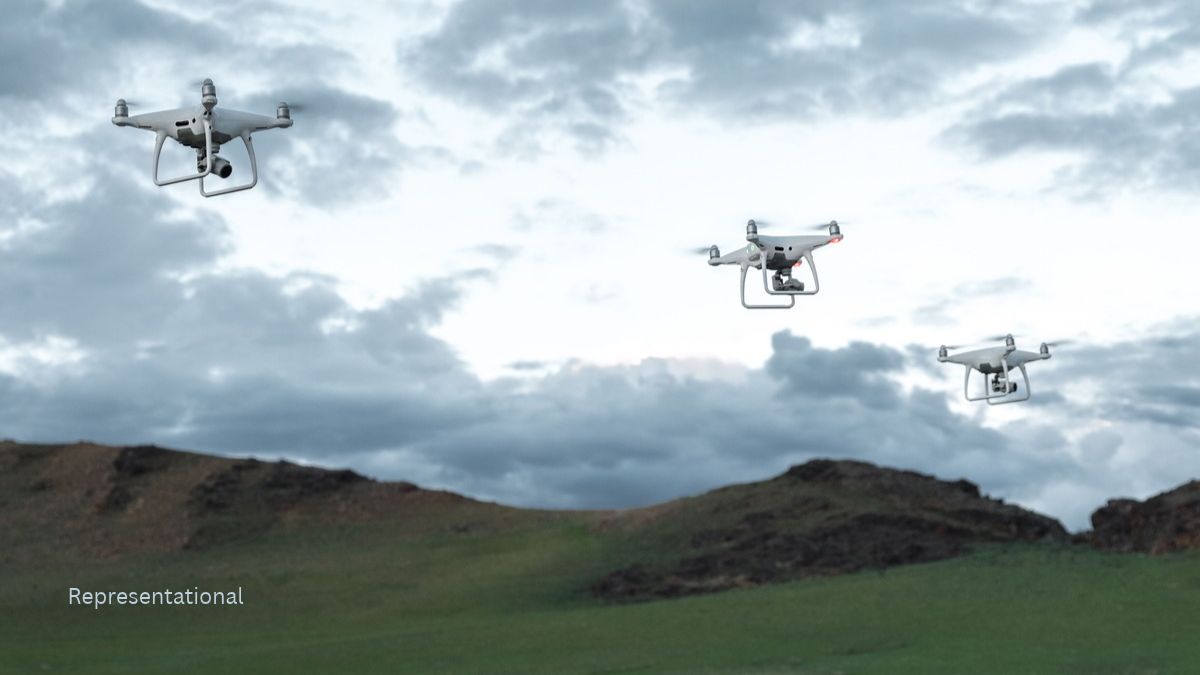
Germany has decided to stop using Chinese-made drones for military training and exercises, replacing them with German and other European models amid growing concerns over data security and potential espionage.
The German Defence Ministry confirmed the decision on November 11, 2026, saying that the Bundeswehr, the country’s armed forces, would no longer use Chinese-manufactured drone models. Existing equipment will be replaced with domestic or other European alternatives as part of efforts to strengthen Germany’s technological independence and military self-sufficiency.
Chinese-made commercial drones had previously been permitted for non-sensitive military activities, including target practice, introductory training for drone operators and exercises involving counter-drone defence systems. Local military commanders were allowed to purchase commercially available models under a procurement strategy introduced in 2024.
Several models manufactured by China-based DJI, the world’s largest drone manufacturer, were among those approved for use.
However, concerns have emerged over the possibility that cameras, sensors and communication systems fitted into these drones could collect sensitive information about military installations, exercises, training grounds and weapons systems. Western intelligence and security officials have repeatedly raised concerns that such information could potentially be accessed by Chinese authorities.
Germany’s latest decision follows reports that the country’s military counterintelligence service had examined commercially purchased drones for possible evidence of unauthorised data transfers. However, the government has not publicly established that sensitive military information was actually transmitted to Chinese intelligence agencies.
The Defence Ministry said the change was intended to strengthen the Bundeswehr’s self-sufficiency and technological sovereignty. It also clarified that the decision was based on individual risk assessments rather than a blanket prohibition on equipment manufactured in particular countries.
The ministry has not disclosed how many Chinese-made drones are currently in military use or specified how long the replacement process will take.
DJI has repeatedly rejected allegations that its products pose security threats. The company has previously maintained that independent security assessments found no evidence of data being transmitted outside the United States.
Chinese vehicles also face military restrictions
The drone decision comes amid wider concerns in Western countries about the potential security risks posed by connected Chinese technology.
Germany has also introduced restrictions on certain Chinese-made vehicles entering sensitive military facilities. The concern is that cameras, sensors and other connected systems in modern vehicles could potentially record sensitive information about military installations and security arrangements.
Similar precautions have been adopted elsewhere. Poland has restricted Chinese-made vehicles at military facilities, while the United States has barred certain Chinese vehicles from its Kadena air base in Okinawa, Japan.
The developments reflect growing scrutiny of foreign-made connected devices in military environments, where information gathered through cameras, sensors and communication systems could potentially expose sensitive operational details.
Germany’s move to replace Chinese drones with European alternatives marks another step towards reducing potential technological vulnerabilities within its armed forces.