
Congo Ebola outbreak crosses 11,000 cases
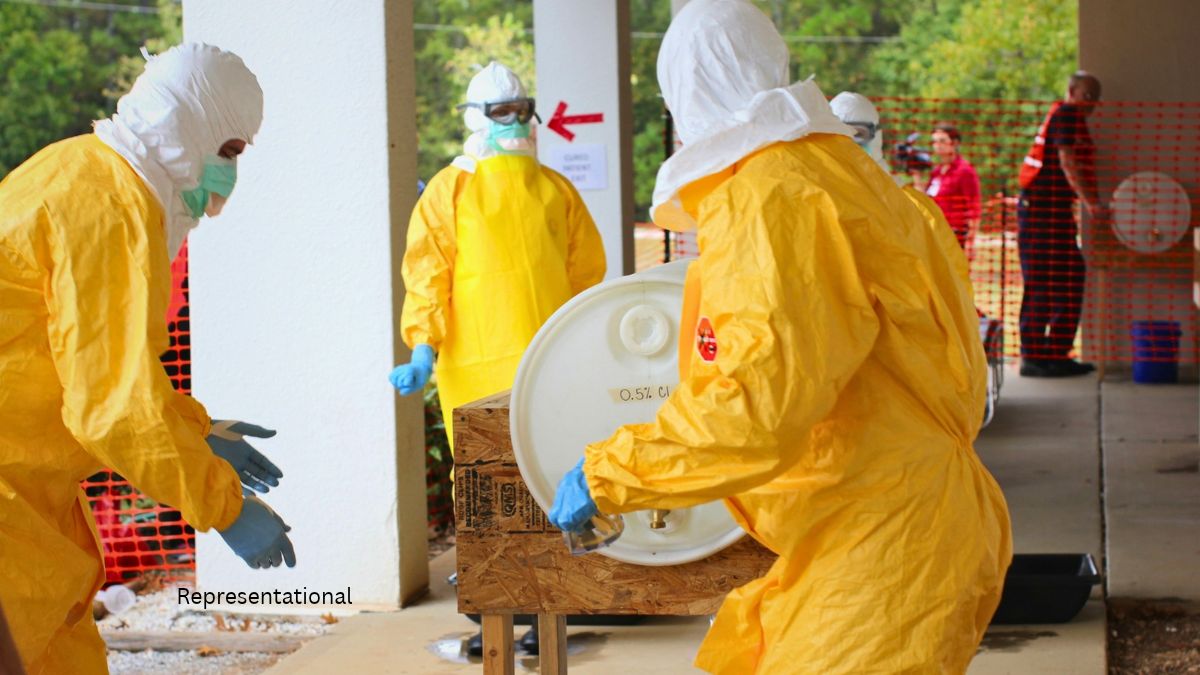
The Ebola outbreak in the Democratic Republic of the Congo (DRC) has crossed 11,000 confirmed cases, with the death toll reaching 5,387, according to the latest government figures released on November 11, 2026. The outbreak has become the deadliest Ebola epidemic in the country’s history, with nearly half of those infected losing their lives.
The outbreak, caused by the rare Bundibugyo strain of the Ebola virus, was declared in May 2026. It has spread across eight of the DRC’s 26 provinces, with 11,042 confirmed infections recorded so far.
The situation has become increasingly difficult for health authorities, with armed conflict, inadequate healthcare infrastructure, poor road connectivity and community mistrust complicating containment efforts. Violence in affected areas has also restricted the movement of medical teams and disrupted essential response operations.
Ituri province remains the worst-affected region, accounting for nearly 70 per cent of the reported cases. North Kivu has also emerged as a major centre of transmission, with health authorities facing difficulties reaching affected communities.
The outbreak has been further complicated by delays in detecting infections and deaths occurring outside designated treatment centres. Misinformation and reluctance among some communities to accept medical screening and safe burial procedures have added to the challenges.
Another major concern is the absence of an approved vaccine or specific treatment for the Bundibugyo strain. Although vaccines and treatments developed for other Ebola strains cannot automatically be assumed to offer protection against it, clinical trials are now under way to evaluate potential vaccine candidates.
The World Health Organization has backed two vaccine candidates for clinical evaluation. One has been developed by the University of Oxford in collaboration with the Serum Institute of India, while the other is Moderna’s mRNA-1469 candidate. The trials are expected to generate evidence on their effectiveness against the Bundibugyo virus.
The outbreak has also raised international health concerns, with cases reported in several countries beyond the DRC, including Uganda, Kenya and Nigeria. Health authorities have strengthened surveillance, contact tracing and screening measures to prevent further transmission.
The current epidemic is the 17th Ebola outbreak recorded in the DRC. It has also become the second-largest Ebola outbreak on record globally, behind the 2014-2016 West African epidemic, which infected more than 28,000 people and claimed over 11,000 lives.
The scale of the current outbreak has placed considerable pressure on the country’s healthcare system, with international health agencies continuing to support surveillance, treatment, research and containment operations.